Before making a prototype, ask five things first
The prototype is not the last step of taking photos for the customer, but an inspection before the next investment. Before production, clearly explain the goals, versions, materials, acceptance and modification arrangements, so that the prototype will not become "made, but not verified."
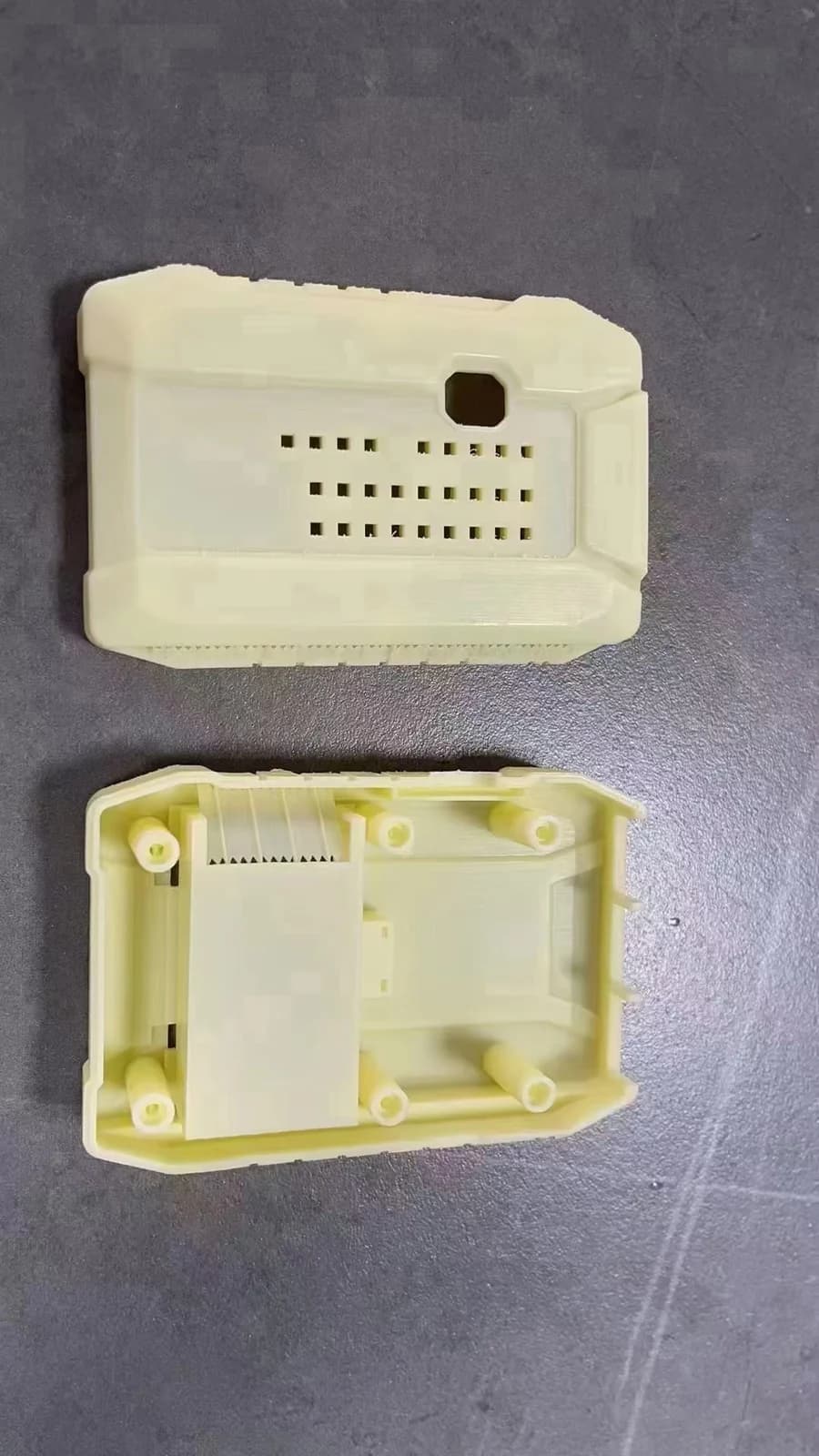
Before making a prototype, first confirm these five questions
Let’s look at the conclusion first
- A prototype round corresponds to a clear set of questions.
- Materials and processing methods are determined by the test objectives.
- Acceptance records must be returned to drawing and model versions.
First question: What exactly do you want to prove?
Appearance, grip, assembly, function and strength need not all be tested with one prototype. A portable product's first round may focus on handling and weight distribution. Once functional development begins, an empty shell cannot establish the whole-product experience.
Express validation goals as specific actions or checks: can a button be reached, a connector inserted and removed, or the enclosure assembled in sequence? Clear goals show which details need careful execution and which can temporarily be simplified.
Second question: Which version is this round based on?
Mismatches between appearance files, mechanical files and purchased components are easily overlooked. Freeze the current round of files, record revisions and check that major components use actual dimensions rather than early concept placeholders.
List changing interfaces as unresolved instead of leaving the manufacturer to guess. When a prototype exposes a problem, know which input revision produced it; otherwise a correction may be lost or overwritten by the next export.
Question 3: Can the material answer the test questions?
Display materials can establish proportions without representing the final material's heat resistance, strength, friction or long-term behavior. Cosmetic paint can also conceal distortion or fit issues that need observation.
Specify the target material, use conditions and desired conclusions together when choosing a process. Separate appearance and functional prototypes where necessary, rather than paying more for a complete-looking sample that cannot support a reliable decision.
Question 4: Who will do the inspection and how to record it?
Looks about right is not an acceptance method for critical dimensions and assembly. List inspection locations, operating steps and decision criteria in advance, involving product, mechanical and user-facing roles. Record photographs, dimensions and observations separately.
For user experience, let intended users complete tasks independently without continual prompting. Performance or safety requirements need corresponding specialist validation; a single demonstration is not a comprehensive test.
Question 5: How does the result change the next step?
Agree issue review, revisions and retesting before manufacture. Discovering problems does not make a prototype worthless. Finding them before tooling or production investment is precisely the point.
Separate mandatory corrections, later improvements and items to retain, then update models, drawings and purchasing conditions. Close critical issues before deciding to start tooling or another prototype round.
An effective prototype should make the team more confident about the next step. Write the questions first, then make a prototype, and finally use the records to decide whether to continue investing.
Reference sources and caliber
The product judgments in this article are compiled by the co-creators and do not represent the views of the source institution. Date of verification of statistical and technical data:2026-09-20; When it comes to specific projects, it still needs to be confirmed based on the sample, process and delivery requirements.