How to continue if there is a physical object?
The absence of original drawings does not mean that research and development can only be restarted. Reverse copying is suitable for turning existing physical objects into data that can be continued for design, but the first step should be to determine the purpose: retention, modification, assembly inspection, or manufacturing.
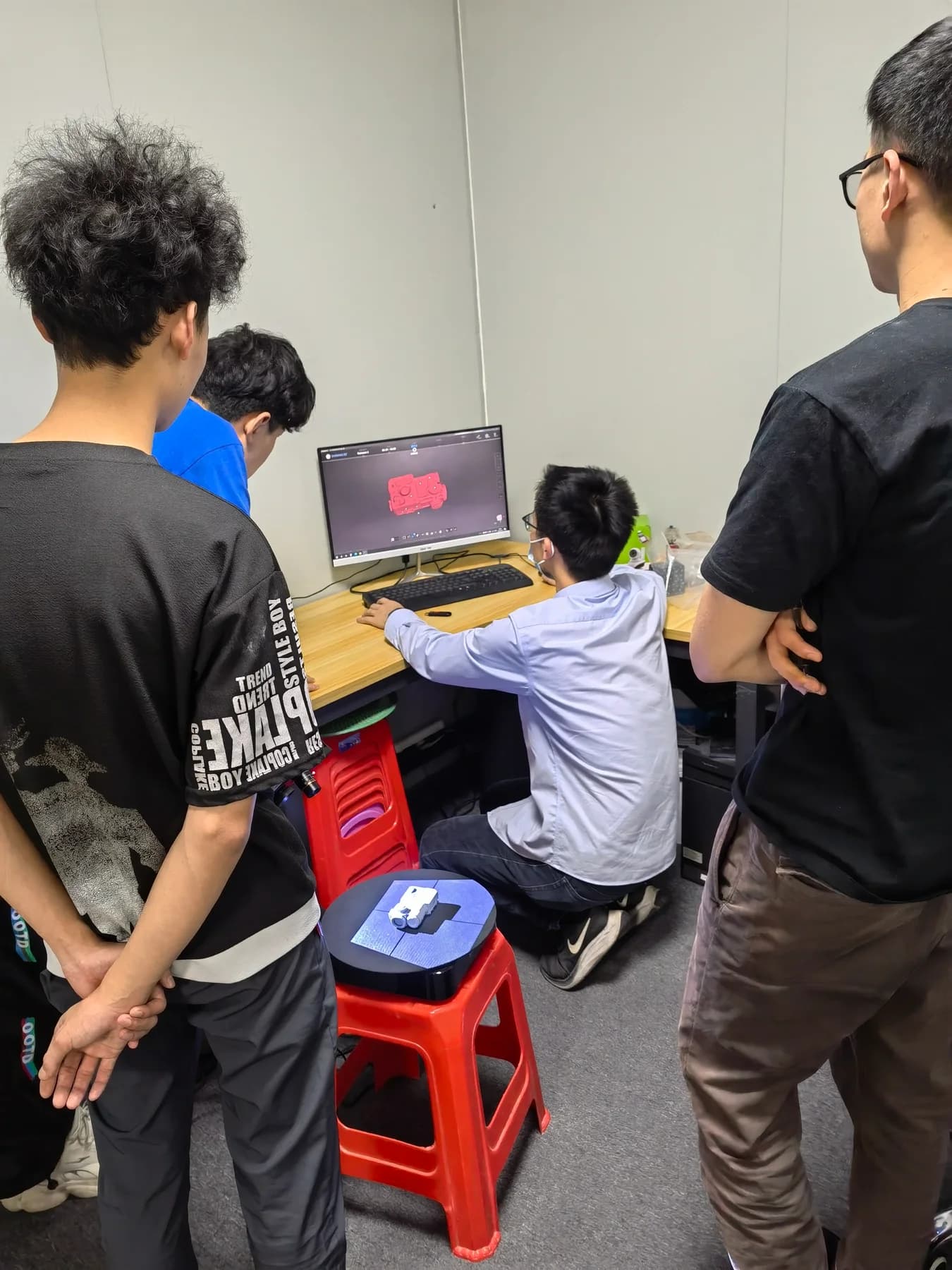
Under what circumstances is it necessary to do reverse counting?
Let’s look at the conclusion first
- First explain what the model is going to be used for, and then determine the data requirements.
- Scanned meshes are not the same delivery as editable engineering models.
- Wear, deformation and missing areas require judgment and cannot be copied in full.
When is it worth starting with the real thing?
Measurement reduces guesswork when only a sample exists, older drawings are incomplete, or an enclosure, bracket or mounting interface must fit an existing component. For complex surfaces, capture the shape and combine it with critical dimensions to create the model.
Not every part needs scanning. Regular geometry may be handled more directly by conventional measurement and forward modeling. Severely distorted samples need other design references. Start with the missing information rather than prescribing the same process for every project.
First confirm which document you need
A display mesh, a surface-editing model, an assembly solid and a dimensioned engineering drawing solve different problems. Renaming STL as STEP does not turn the mesh into a dependable editable solid.
Tell us the downstream software, required modifications, critical mating locations and whether drawings or samples are needed. A clear end use establishes the necessary level of work and prevents discovering after delivery that the next supplier cannot use the file.
Mark the parts that cannot be reliably obtained
Deep holes, occlusion and transparent or reflective surfaces affect data capture. Use appropriate additional measurements for critical holes, mating dimensions and mounting datums. An explicit note about inaccessible or uncertain areas is more responsible than filling them by guesswork.
Closer agreement with a sample is not always better. If the sample is worn, distorted or defective, decide with the customer whether to document its current condition or reconstruct the intended design and assembly relationships. These are different tasks.
After copying the numbers, you still need to be able to continue research and development.
After data preparation, the scope can extend to appearance changes, mechanical modifications, prototypes and manufacturing discussions. To make the files useful in the next stage, prioritize datums, revisions, critical dimensions and unresolved checks.
For intellectual property, vehicle safety or regulated-product projects, customers must clarify permissions and applicable requirements. Reverse engineering supports development data; it does not automatically grant reproduction or sales rights or replace required validation.
Confirm the purpose before selecting a combination of scanning, modeling, and verification. The value of copying numbers lies in making the physical object in hand a usable starting point for the next step of research and development.
Reference sources and caliber
The product judgments in this article are compiled by the co-creators and do not represent the views of the source institution. Date of verification of statistical and technical data:2026-09-20; When it comes to specific projects, it still needs to be confirmed based on the sample, process and delivery requirements.