Structure, determines how to implement it
Structural design is not about adding wall thickness to the appearance, but organizing devices, assembly, materials, processing and usage requirements into a product that can be manufactured and verified. We are more concerned about whether the data can continue to be used, not just whether it can be installed in the software.
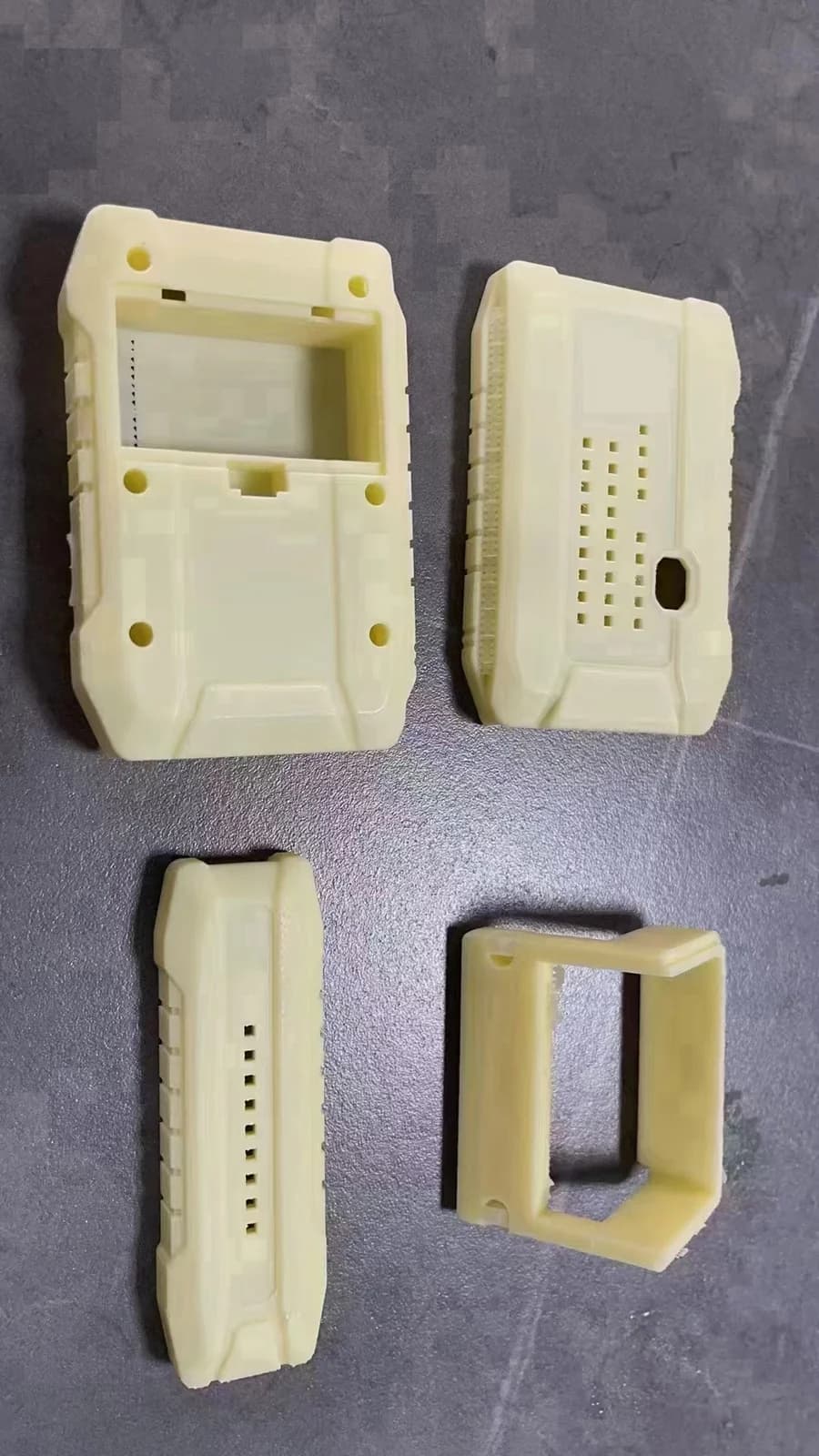
What does product structure design include? From device layout to trial production verification
Let’s look at the conclusion first
- Internal layout, assembly sequence and maintenance space should be considered together.
- Critical dimensions should have benchmarks and acceptance criteria.
- Problems discovered during prototypes, trial molds, and trial production must be written back into the design.
Start with components and assembly sequence
PCBs, batteries, motors, displays and wiring do more than fill a cavity. They affect balance, heat, openings, controls and servicing. Define which parts go in first, where tools enter and how connectors are joined.
In small electronics, reducing the external envelope can change screw positions and cable space at the same time. Check working clearance in the model rather than cutting the prototype after discovering it cannot be assembled.
The connection scheme must serve the purpose of use and maintenance
Snaps, screws, adhesive and other joints each have appropriate uses. A permanently assembled product and one requiring repeated disassembly should not share a joint merely because they look similar. Consider loads, frequency, materials and environment.
Do not only ask whether parts connect; ask what happens afterward. Will they loosen, obstruct cleaning or require the enclosure to be destroyed for repair? Recording these questions early helps choose which areas need prototypes or dedicated tests.
Process is not an additional instruction after the design is completed.
Injection molding, sheet metal, die casting, CNC and printing impose different constraints. Parting, tool access, finishes and datums can alter appearance and part splits. Set dimensions from materials, size and process conditions instead of mechanically applying a generic parameter table.
Review the evolving mechanical design with manufacturing or tooling teams and retain items requiring supplier confirmation. Early manufacturing issues are easier to manage than extensive changes after a complete data handover.
What is delivered is data that can be connected
Beyond 3D files, a project may need drawings, critical dimensions, material notes, part information and assembly requirements. Not every project needs the same package. Confirm what the next user requires so an apparently complete folder does not omit the decisive information.
Prototype, mold-trial and low-volume validation issues belong in revision records. Mechanical design is not complete simply because drawings were sent; key issues should be identified, addressed and checked, with remaining next-stage tasks visible to the customer.
The value of structural design lies in allowing products to be assembled, used, maintained, and continue to collaborate with manufacturing links. The availability of files is more important than the number of files.
Reference sources and caliber
The product judgments in this article are compiled by the co-creators and do not represent the views of the source institution. Date of verification of statistical and technical data:2026-09-20; When it comes to specific projects, it still needs to be confirmed based on the sample, process and delivery requirements.