Nursing equipment, first look at the experience
White, rounded corners, and metallic trim can create style, but they cannot replace a trustworthy product experience. For nursing equipment, the handling, operation feedback, cleaning and storage must be clearly defined. At the same time, the purpose of the product and the boundaries that require professional confirmation must be clearly defined.
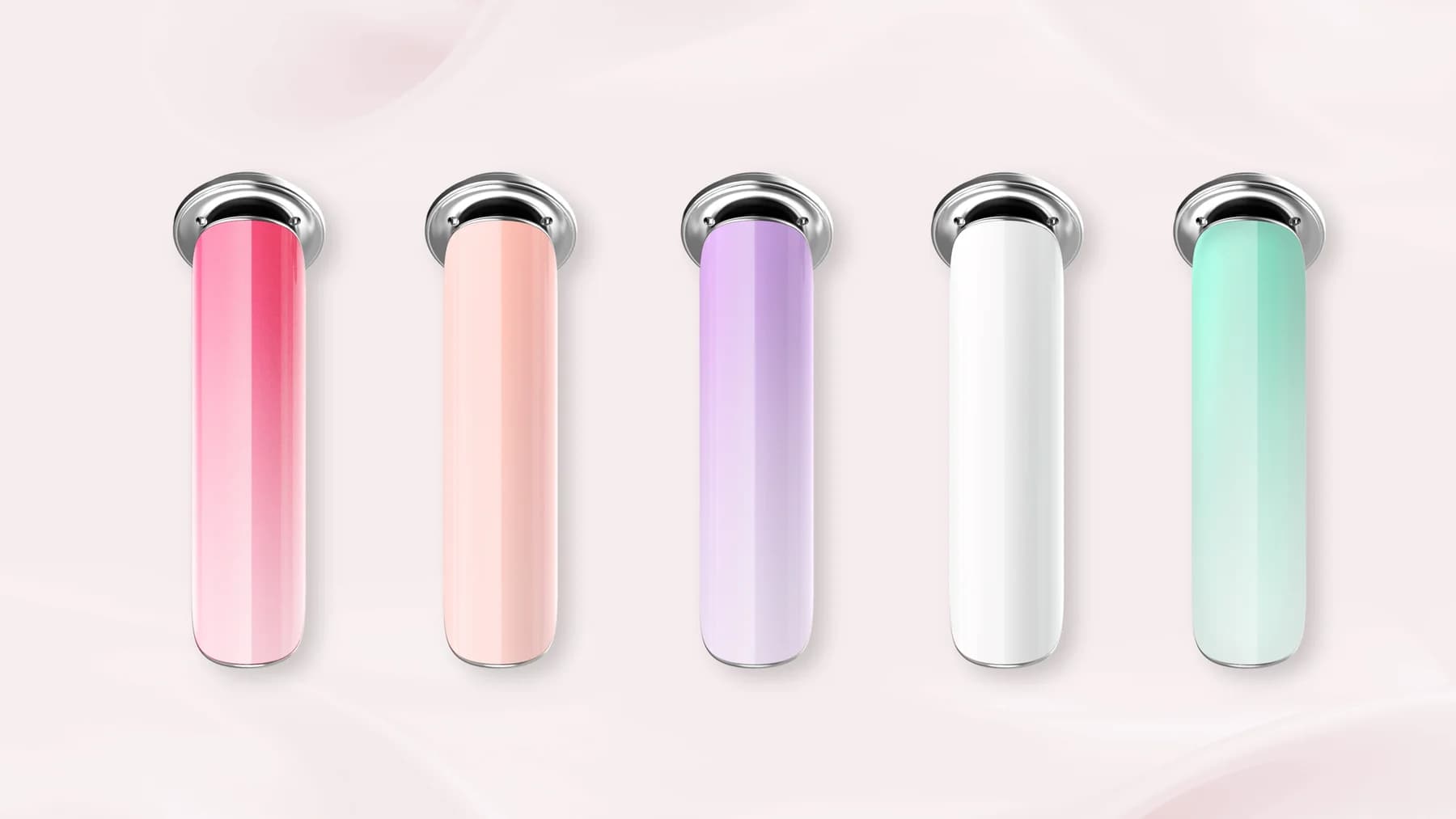
What should we pay attention to when designing medical beauty products? Experience and engineering in parallel
Let’s look at the conclusion first
- First distinguish between home and professional scenes. Don’t just change the appearance.
- Operation, cleaning, and maintenance should occur throughout the design process.
- Do not use professional styling to imply unproven results.
First determine who is using it and under what circumstances
Home users and professional operators differ in learning effort, available space and maintenance needs. A fixed bench device should not automatically share the size and control layout of a product carried one-handed or taken on trips.
Break down the experience before, during and after use. Confirm viewing angles, contact, cable routing and storage before choosing a visual style. Clear experience objectives make design more than color and decoration.
Making the status clear is more important than increasing lighting effects
Controls, displays, sound and light should explain the current state. Indistinct signals or combinations users must memorize increase effort. Design should not assume everyone will read the entire manual.
Prioritize frequent operations and distinguish start, pause and finish so essential feedback is directly visible or perceptible. Validate the specific feedback against functions and applicable requirements; a visual concept is not automatically the final solution.
Cleaning and maintenance will change the way parts are divided
Products contacting skin, gels or liquids need a plan for use afterward. Gaps, accessory removal, cable retention and storage affect the long-term experience. Industrial design alone cannot assume immersion is permitted or prescribe a cleaning method.
Include customer-approved materials and maintenance requirements in mechanical reviews. Early constraints help select appropriate part splits and joints, avoiding an uncluttered surface that makes cleaning or repair difficult.
Separate R&D support from performance verification
Define intended use, functions and promotional claims at project start. Customers and appropriate specialists must establish whether medical use or other requirements apply. A beauty or care label does not determine classification.
XCR can support industrial, mechanical and prototype development, but renders do not prove efficacy and sample demonstrations do not replace required tests. This article discusses development methods, makes no health or treatment promises and does not replace compliance assessment.
Professional feeling comes from clear operation, reliable structure and consistent use experience, not just color and shape. First clarify the purpose and boundaries, and then make a well-founded design.
Reference sources and caliber
The product judgments in this article are compiled by the co-creators and do not represent the views of the source institution. Date of verification of statistical and technical data:2026-09-20; When it comes to specific projects, it still needs to be confirmed based on the sample, process and delivery requirements.
This article is the R&D collaboration suggestions of the co-creators and does not cite external market size or revenue forecast data.